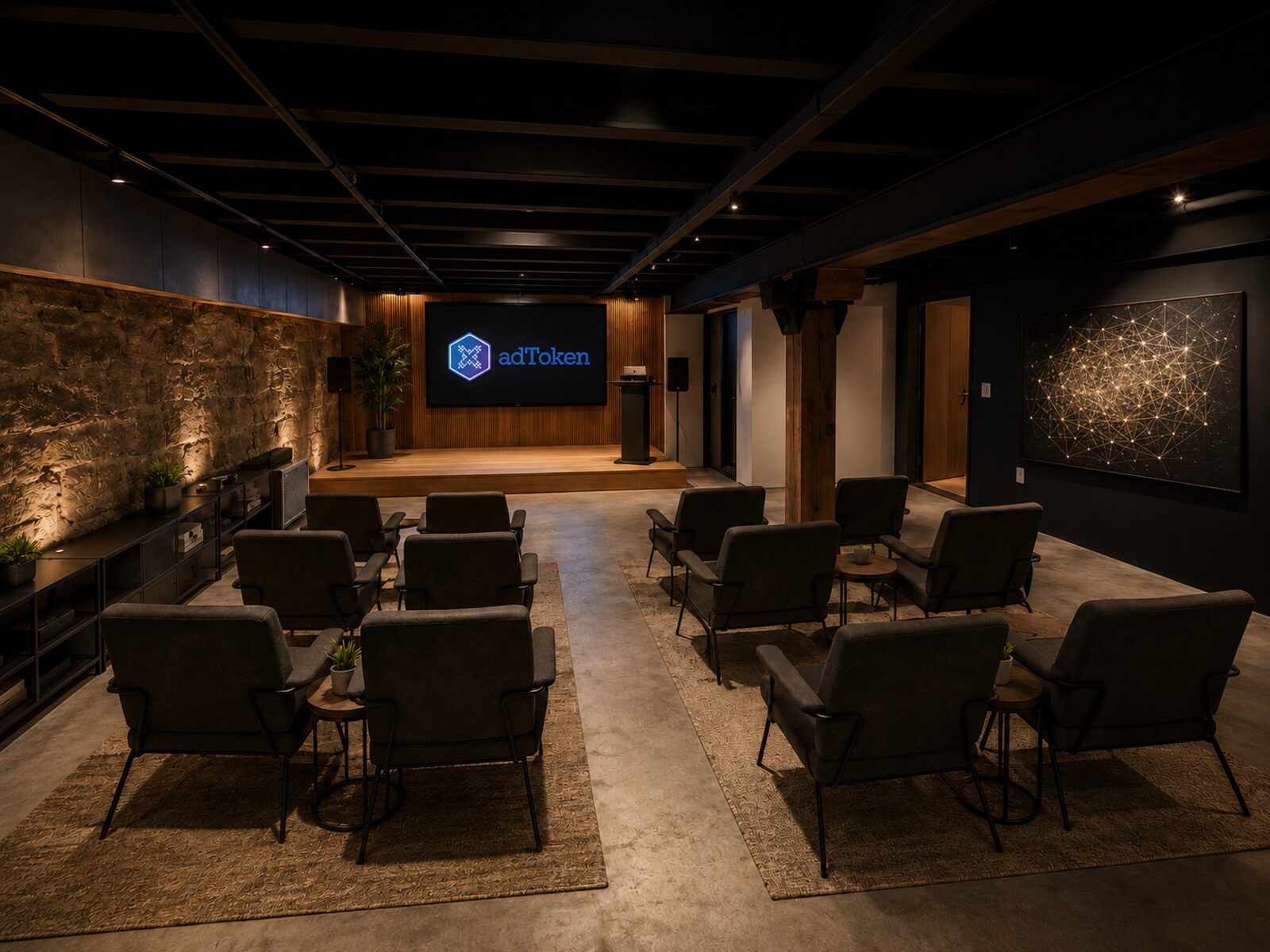
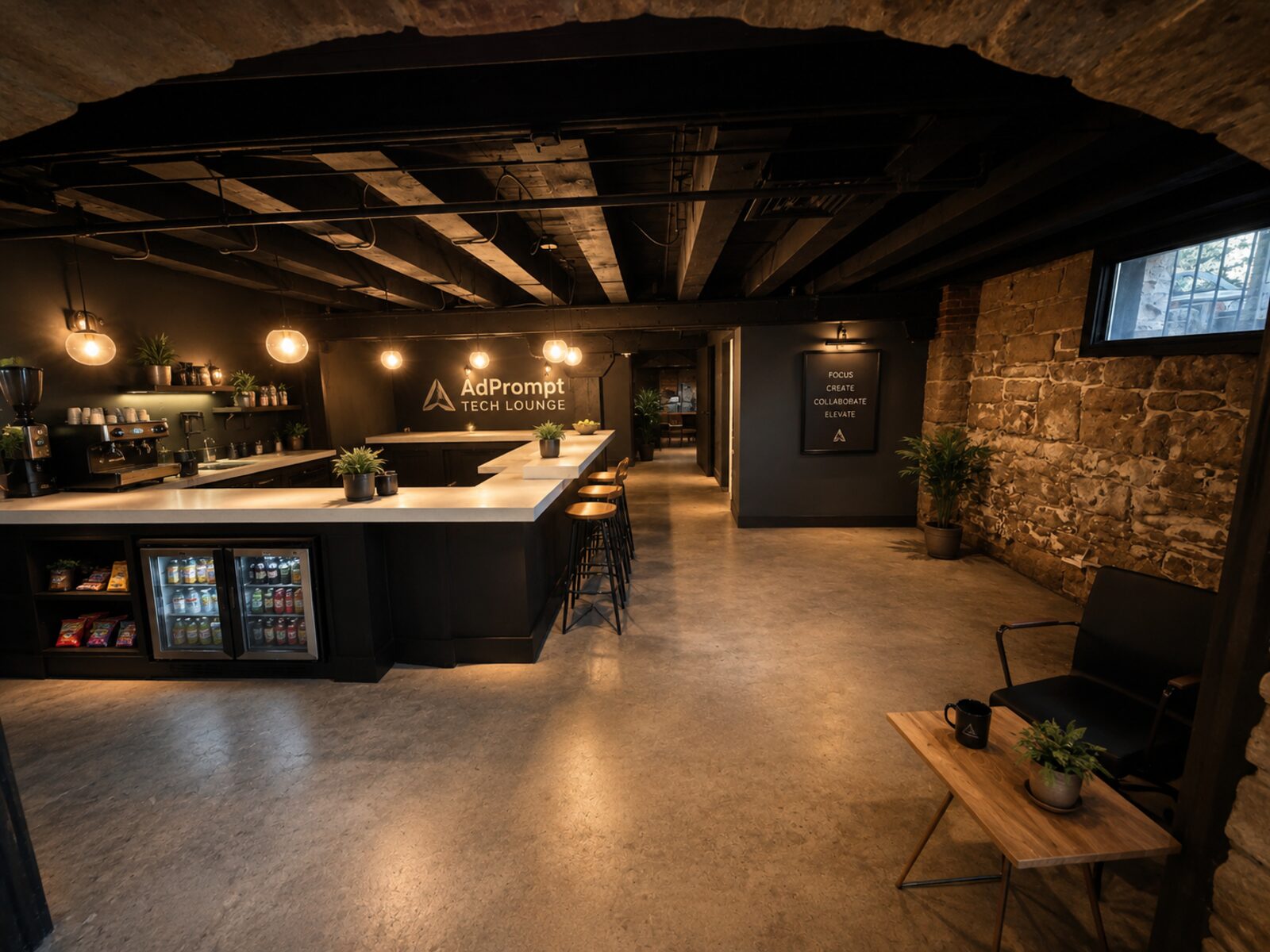
Turn Suite L120 into productive AI infrastructure.
A proposal to lease and convert Suite L120 into a secure mini data center / server room supporting AdPrompt.Ai and the compute requirements of AdChain and AdToken, with future managed compute for local businesses.
A win-win use for Suite L120.
The core proposal is simple: convert Suite L120 into a secured technology infrastructure room that produces base rent immediately, supports the compute requirements of AdChain and AdToken, and can create optional upside if excess capacity is sold to third parties.
AdPrompt.Ai, AdChain, and AdToken become the anchor use cases. The building gets rent, tenant stickiness, targeted upgrades, and a differentiated local AI infrastructure story.
AdChain and AdToken both require reliable compute for verification, indexing, monitoring, storage, and supporting services. Over time, unused GPU and CPU capacity could be packaged as managed compute for local businesses.Immediate base rent
Approximately $8,000 per month for Suite L120.
Optional upside
Potential participation in third-party compute revenue above rent, if a revenue-share structure is preferred.
Building improvements
Power, cooling, security, monitoring, and metering improvements can make the space more durable and valuable.
Low-traffic use
The operation is infrastructure-focused, with dedicated equipment and no public walk-in traffic.
Built-in compute demand
AdChain and AdToken require compute for verification, indexing, monitoring, storage, and supporting network services before any outside customers are added.
The layout is better suited for infrastructure than retail-style office use.
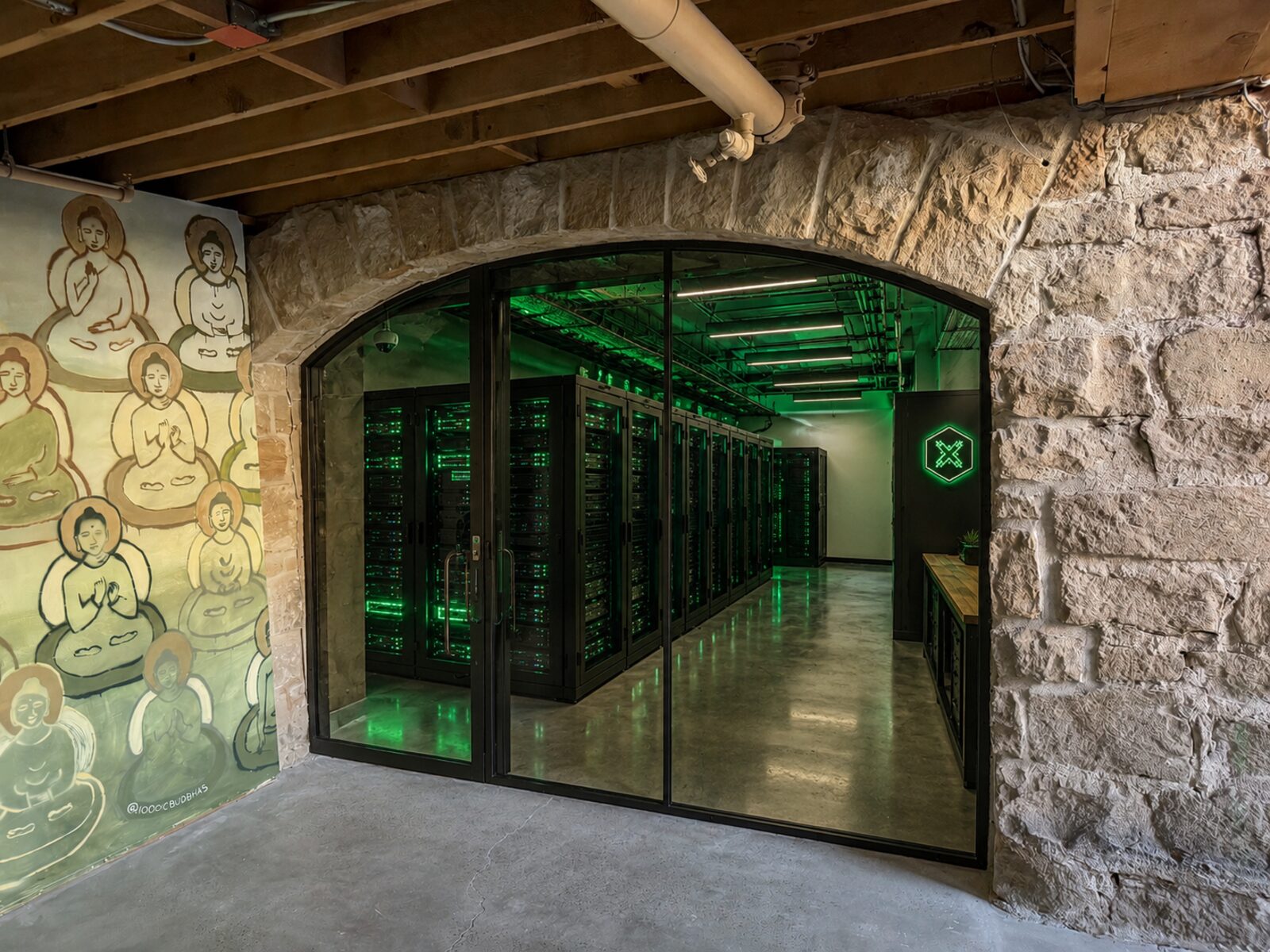
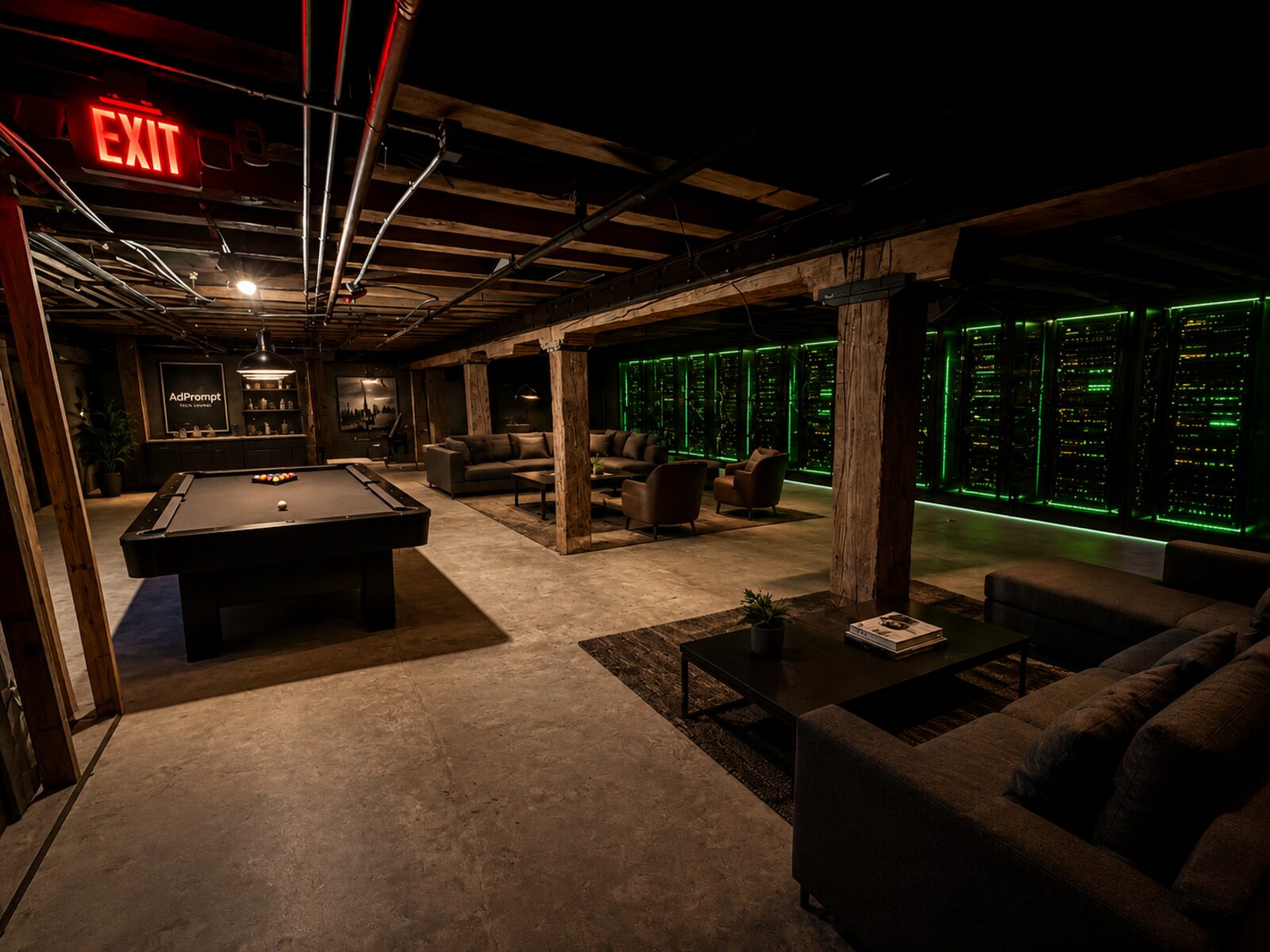
Suite L120's separation, lower visibility, enclosed layout, and limited foot traffic make it a strong candidate for a controlled server-room environment.
Proposed use of the space
- GPU servers for AI inference, model fine-tuning, creative generation, automation workloads, and AdToken compute-heavy services.
- CPU / storage servers for AdChain and AdToken verification nodes, indexing, storage, monitoring, and supporting infrastructure workloads.
- Dedicated racks, cabling, switches, power distribution, cooling, access control, and operational monitoring.
- Managed compute capacity for local businesses as demand grows.
Operational guardrails
- Secure access, monitoring, and defined operating procedures.
- Phased implementation after power, HVAC, code, and insurance review.
- Noise, heat, airflow, and equipment load addressed before installation.
- No retail storefront, no public walk-in traffic, and no disruption-oriented use.
A phased plan reduces uncertainty before capital is committed.
The next step is not to install servers immediately. It is to validate the building requirements with the right technical people in the room, then turn that review into a lean Phase 1 scope that keeps capital low and defers larger expansion until demand is proven.
Walkthrough
Bring electrician, HVAC contractor, and building representative into the space.
Engineering check
Confirm power capacity, cooling load, airflow, metering, fire, code, and insurance requirements.
Scope + quotes
Convert findings into the lowest practical Phase 1 budget, timeline, and building upgrade plan that avoids overbuilding before demand is proven.
Lease structure
Choose standard lease, rent plus revenue share, or shared improvement model.
Phase 1 launch
Deploy AdPrompt.Ai, AdChain, and AdToken anchor workloads first, then expand excess compute offerings only as demand grows.
Illustrative numbers show the upside potential.
These are planning assumptions, not final financial commitments. Phase 1 is intentionally framed as a minimum viable validation deployment for AdPrompt.Ai, AdChain, and AdToken before committing to a larger installation.
Minimum viable Phase 1 build-out target
This keeps Phase 1 deliberately lean: one starter rack, staged equipment purchases, essential power/cooling/security work, and no large-scale GPU expansion until anchor workloads and outside demand justify it.
| Category | Estimated cost | What it supports |
|---|---|---|
| Starter GPU / AI compute | $25K-$60K | Minimum useful AI inference, automation, creative generation, and early AdPrompt.Ai capacity without buying a full GPU fleet up front. |
| CPU / storage / networking for AdChain + AdToken | $6K-$18K | Verification nodes, indexing, storage, monitoring, APIs, and supporting network operations. |
| Starter rack, cabling, switches, PDUs | $4K-$12K | Starter rack infrastructure, structured connectivity, and power distribution sized for the initial deployment. |
| Essential electrical / metering | $10K-$30K | Dedicated circuits, metering, and only the minimum building-specific electrical work needed for a safe pilot. |
| Lean cooling / HVAC / airflow | $10K-$35K | Practical heat management and airflow improvements for a small initial rack footprint before larger cooling investment. |
| UPS, access control, monitoring, fire/code review, contingency | $10K-$20K | Basic resilience, safety, monitoring, access control, code items, and a lean contingency reserve. |
| Estimated minimum viable Phase 1 total | $65K–$175K | Assumes a pilot-scale deployment using existing building capacity where possible; major service upgrades would be quoted separately. |
Lean Phase 1 principle: start with the smallest safe and useful deployment, support AdPrompt.Ai plus AdChain / AdToken anchor workloads, and defer larger GPU purchases, full redundancy, and major electrical or cooling expansion until utilization is proven.
Monthly gross potential
4-8 GPUs at roughly 50% utilization and $1.75 per GPU-hour, assuming a 30-day month and a deliberately small pilot.
Monthly gross potential
32 GPUs at 60% utilization and $2.25 per GPU-hour, assuming a 30-day month after staged expansion.
Monthly gross potential
48 GPUs at 65% utilization and $2.25 per GPU-hour, assuming a 30-day month after a larger Phase 2 / Phase 3 expansion.
Illustrative revenue is gross revenue before electricity, support, maintenance, depreciation, insurance, reserves, taxes, downtime, sales costs, and any separately negotiated landlord terms. Revenue scenarios show potential scaled capacity after validation; they are not required for day-one spending.
Three ways to make the deal work.
The landlord can keep the arrangement simple with base rent only, or participate in upside if the parties agree on a third-party compute revenue-share model.
Standard lease
AdPrompt.Ai funds the lean initial equipment and build-out while the landlord receives base rent under a conventional lease structure.
Base rent + participation
Base rent remains in place, with a negotiated revenue share on third-party compute revenue above the AdPrompt.Ai, AdChain, and AdToken anchor use cases.
Shared building upgrades
The landlord contributes only to durable building-specific improvements, if any, in exchange for a longer lease and/or larger participation right.
Base rent plus optional upside.
A 10% participation on the illustrative Growth scenario would equal roughly $3,100 per month above base rent. Combined with approximately $8,000 per month in base rent, this would bring potential landlord receipts to approximately $11,100 per month before any separately negotiated terms.
| Item | Illustrative monthly amount | Notes |
|---|---|---|
| Base rent | ~$8,000 | Recurring rent for Suite L120. |
| 10% participation on Growth gross | ~$3,100 | Only if a participation model is negotiated. |
| Potential landlord receipts | ~$11,100 | Illustrative only; subject to final structure and costs. |
Schedule a technical walkthrough.
Bring an electrician, HVAC contractor, and building representative together to confirm power capacity, cooling requirements, code compliance, insurance, noise and heat management, security, metering, and a phased implementation plan.
This page is a planning summary. All estimates remain subject to engineering review, vendor quotes, code compliance, insurance review, lease negotiation, and landlord approval. The minimum viable Phase 1 target assumes no major base-building service upgrade is required.